Be Proactive to Protect Your Boxwoods from Box Tree Moth Damage
Landscaping May 12, 2026
Landscaping May 12, 2026
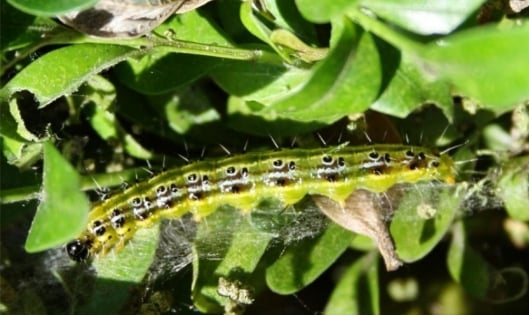
Boxwoods are a classic staple in Metro Detroit landscapes. They provide structure, year-round greenery, and a polished look around homes, walkways, patios, and commercial properties. Unfortunately, they are also now at risk from an invasive pest that has been confirmed in Michigan: the box tree moth.
The box tree moth targets boxwoods and can cause serious damage if it is not caught early. According to the Michigan Department of Agriculture & Rural Development, box tree moth caterpillars feed on boxwood plants and residents are encouraged to report suspected sightings. Michigan State University Extension also notes that Michigan’s regulated quarantine area currently includes several Southeast and Central Michigan counties, including Oakland, Macomb, Wayne, Washtenaw, Livingston, and others.
For homeowners and property managers, the best defense is a proactive approach.
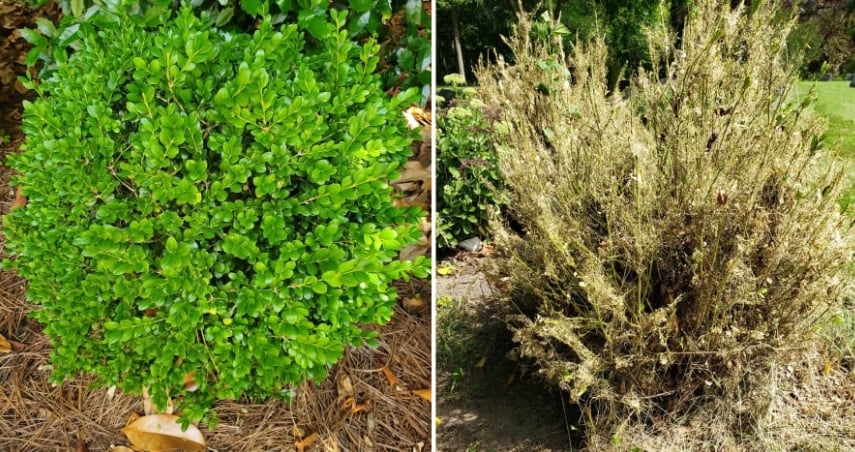
The box tree moth is an invasive pest whose caterpillars feed heavily on boxwood foliage. Left untreated, infestations can lead to thinning, defoliation, brown patches, webbing, and in severe cases, plant decline or loss.
Because boxwoods are used so commonly in Michigan landscapes, early detection is extremely important. The sooner the issue is identified, the better chance there is of protecting the plant and limiting spread.
If you have boxwoods on your property, inspect them regularly throughout the growing season. Warning signs may include:
Box tree moth damage can sometimes be mistaken for other boxwood problems, including winter burn, mites, disease, or general plant stress. That is why a professional inspection is helpful before deciding on a treatment plan.
Box tree moth caterpillars can feed aggressively, and damage may progress quickly once populations build. MSU Extension recommends practices such as removing fallen boxwood leaves and debris because caterpillars can overwinter in webbing attached to leaves.
Being proactive helps protect your landscape investment and may reduce the need for more drastic corrective measures later.
At Great Lakes Landscape Design, we are taking a knowledgeable, proactive approach to help protect our clients’ boxwoods.
Our team is responding by:
Healthy plants are often better equipped to withstand stress, but box tree moth pressure should not be ignored. Even well-maintained boxwoods can become damaged without proper monitoring and care.
If you have boxwoods on your property, now is the time to inspect them closely. Look inside the plant, not just at the outer surface. Caterpillars and webbing are often found deeper within the shrub before obvious exterior damage appears.
If you notice webbing, caterpillars, chewing, browning, or sudden thinning, contact a professional as soon as possible. You can also report suspected box tree moth activity through Michigan’s official reporting resources. MDARD advises residents to photograph suspected signs and submit a report through the state’s Eyes in the Field system.
Boxwoods are an important part of many landscapes, and with the right care, they can continue to thrive. The key is early detection, proper treatment, and ongoing monitoring.
If you are concerned about your boxwoods or would like a professional inspection, contact Great Lakes Landscape Design today at 248-543-6320. Our team can evaluate your plants, recommend next steps, and help protect your landscape from box tree moth damage.

patios
Patios, Plantings & Annuals for Outdoor Living Season
Landscaping

Podcast

Landscaping


Crew Leaders, Account Managers, and Sales Professionals